
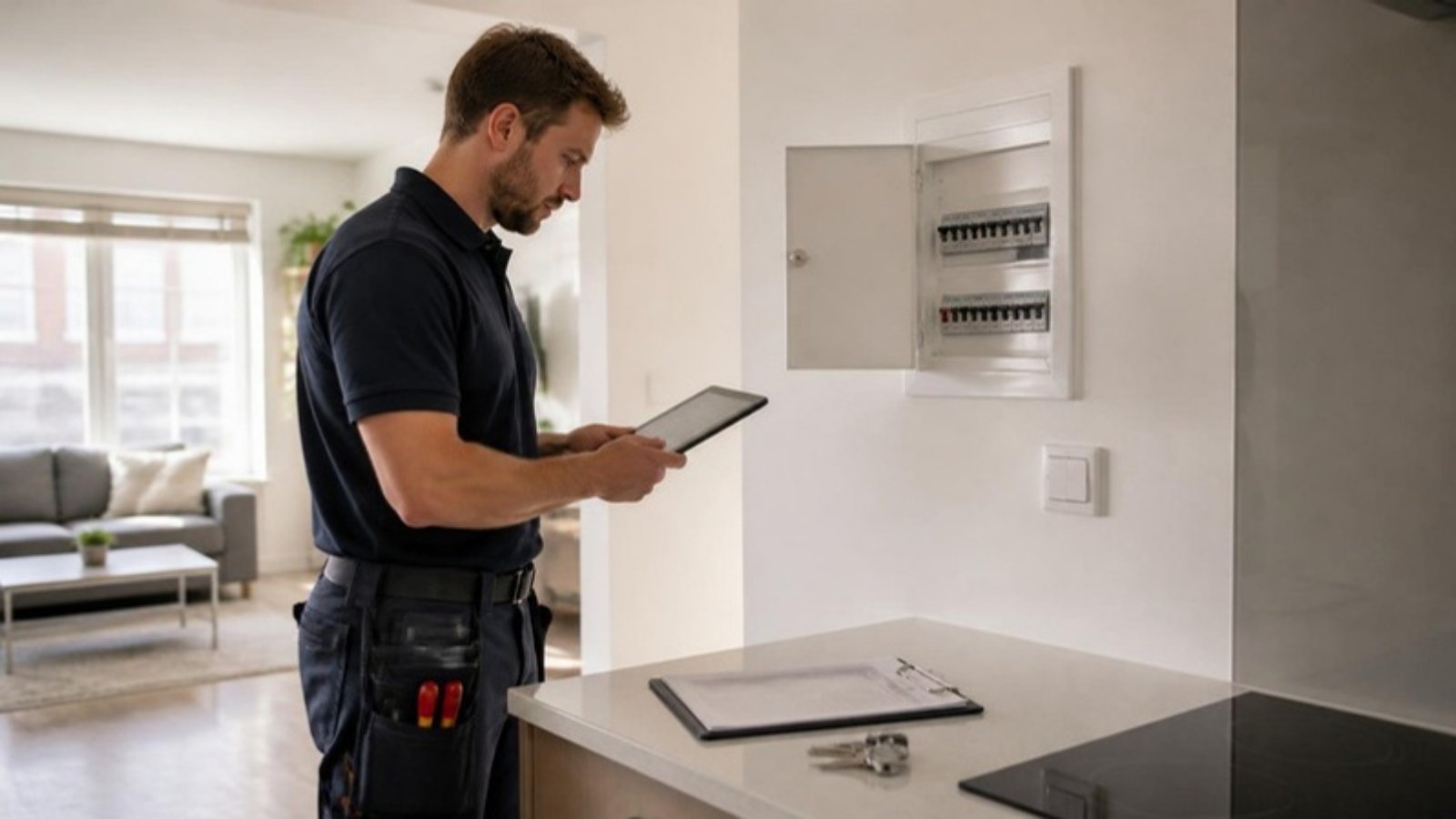
 Illustrative image
- Private landlords in England must have the electrics inspected at least every five years and give tenants a copy of the report.
- The same rules now cover social housing: new tenancies from 1 December 2025, existing tenancies from 1 May 2026.
- Existing social tenancies must be checked by 1 November 2026.
- Any remedial work or further investigation must be done within 28 days (or sooner if the report says so).
If you rent out a home in England, electrical safety checks aren’t optional. The rules have been in place for private landlords since 2020 — and over the past year they’ve been extended to housing associations and councils too. Here’s a plain-English guide to where things stand in autumn 2026.
Private landlords: the rules
Under the Electrical Safety Standards in the Private Rented Sector (England) Regulations 2020, private landlords must:
- Have the fixed electrical installation inspected and tested at least every five years by a qualified, competent person (or sooner if the report says so).
- Give a copy of the report to existing tenants within 28 days, and to new tenants before they move in.
- Give a copy to the local council within 7 days if asked.
- Complete any remedial work or further investigation within 28 days, then give the tenant and council written confirmation that it’s been done.
Councils can issue civil penalties of up to £30,000 for breaches, so it’s worth keeping on top of renewal dates.
New: social housing is now covered
The 2025 extension regulations bring social landlords into line with the private sector:
- New social tenancies have been covered since 1 December 2025.
- Existing tenancies (started before 1 December 2025) have been covered since 1 May 2026, and all required checks must be completed by 1 November 2026.
- Where a social landlord provides electrical appliances, these must also be tested at least every five years.
What’s changed on the report itself
Since 15 October 2026, EICRs should be carried out to Amendment 4 of BS 7671. One practical difference: an FI or C3 observation no longer makes a report Unsatisfactory on its own — it’s C1 and C2 codes that do. You’ll still need to act on anything flagged for further investigation within the deadline.
A quick landlord checklist
- Find your last EICR and check the “next inspection” date.
- Book the next one a month early — it gives you time to sort any remedials inside the 28 days.
- Keep copies of the report and remedial confirmations together, ready for tenants and the council.
- Check whether your borough’s licensing scheme asks for an EICR as part of the application.
Landlord in North West London? EICRs from £140, report the same day, remedial work quoted upfront.
- GOV.UK legislation – Electrical Safety Standards (Extension to the Social Rented Sector) Regulations 2025
- National Housing Federation – New electrical safety standards for social landlords
- Browne Jacobson – Electrical safety checks: new rules for social landlords
- NICEIC – EICRs in the rented sector
This article is general guidance, not legal advice. Always check the latest official guidance for your situation.